

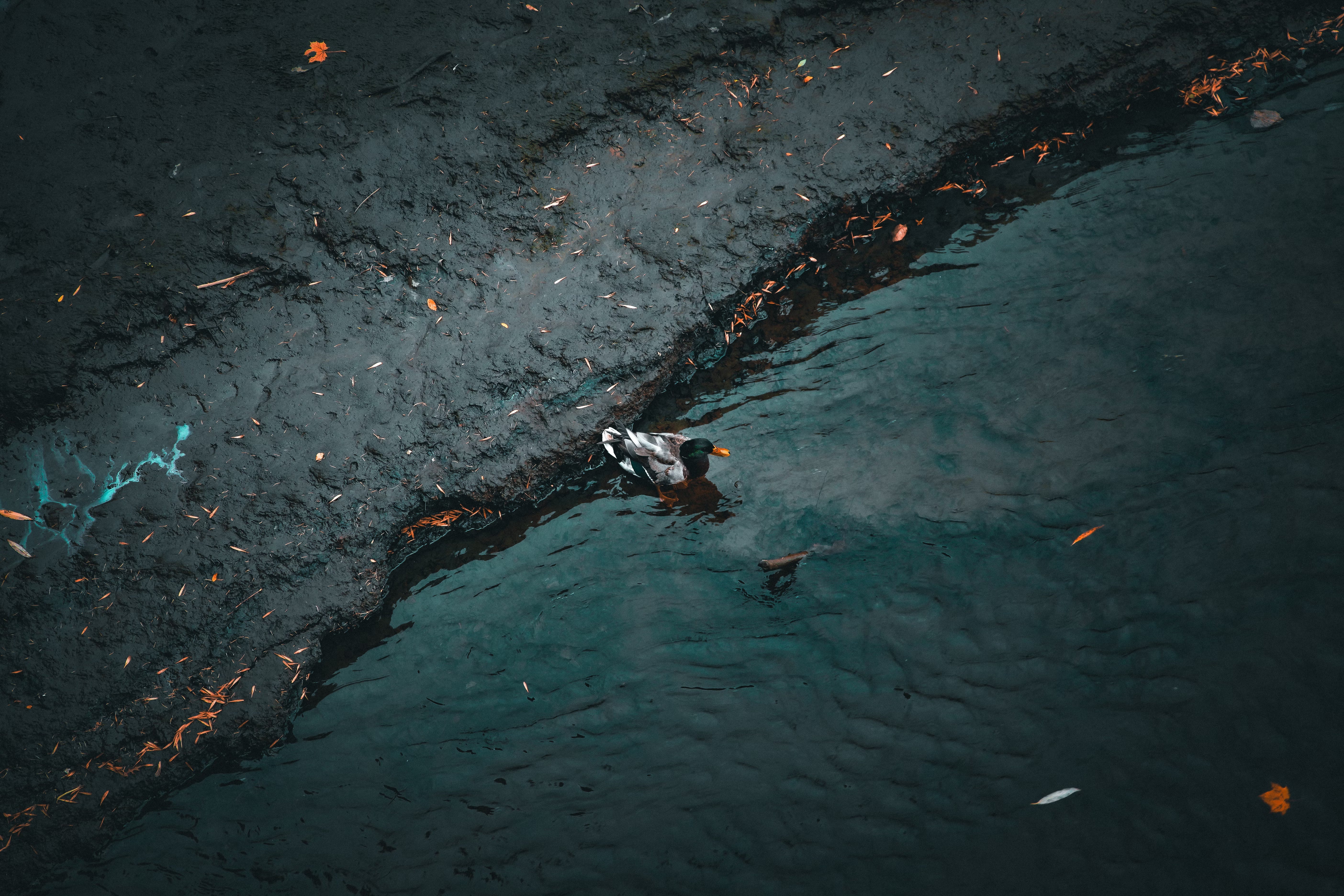
Water Pollution in Middle East
Did you know that an estimated 80–90% of people in the GCC rely on bottled or filtered water for drinking?
This overwhelming dependence reflects a lack of confidence in tap water quality and highlights deeper environmental challenges.
Across the region, industrial activities—including large-scale construction, shipping, and oil-based operations—contribute significantly to water pollution, particularly near major ports. Among these, oil spills are regarded as one of the most environmentally damaging aspects of oil production, with long-lasting impacts on marine ecosystems and public health.
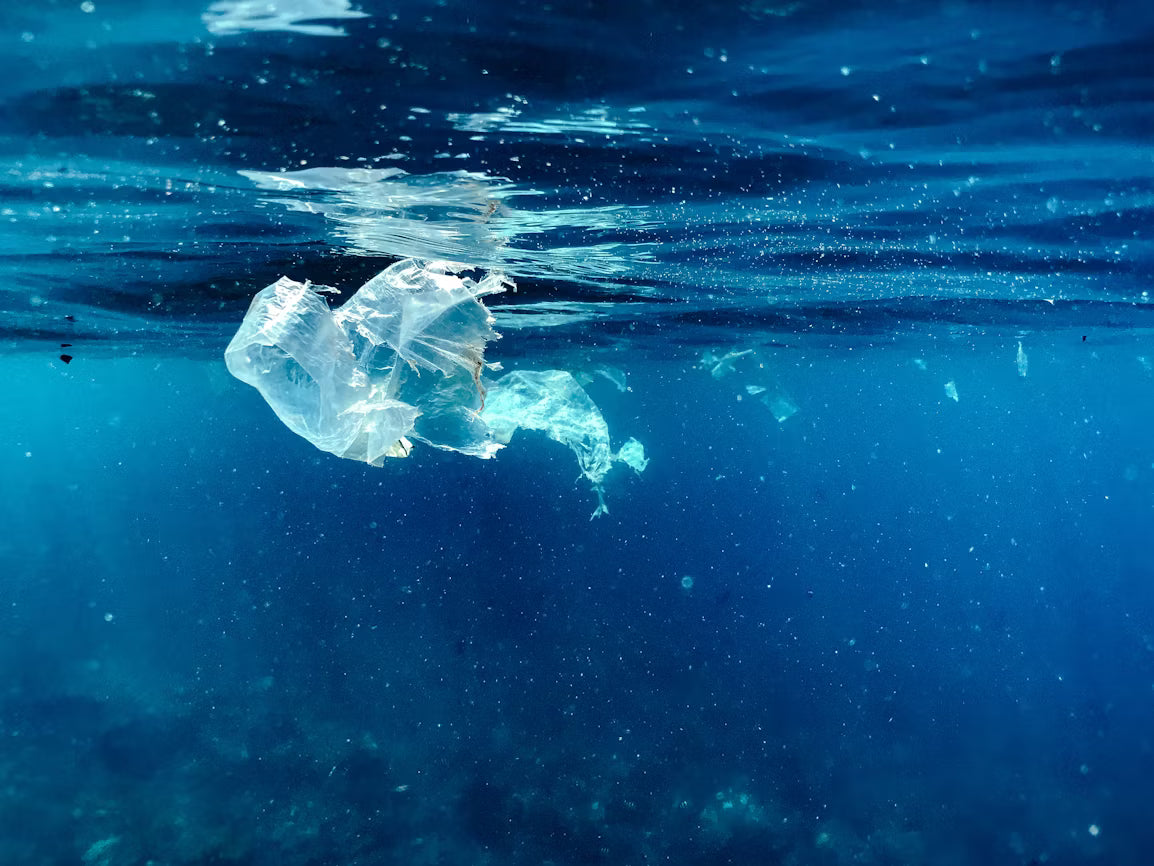
To address these challenges, the goal should be clear: Bring pure, high-quality water into our living and working spaces. By doing so, we can protect our health, reduce reliance on bottled water, cut down plastic waste, and ensure healthier, more sustainable communities.
Leave a comment
All comments are moderated before being published.
This site is protected by hCaptcha and the hCaptcha Privacy Policy and Terms of Service apply.