

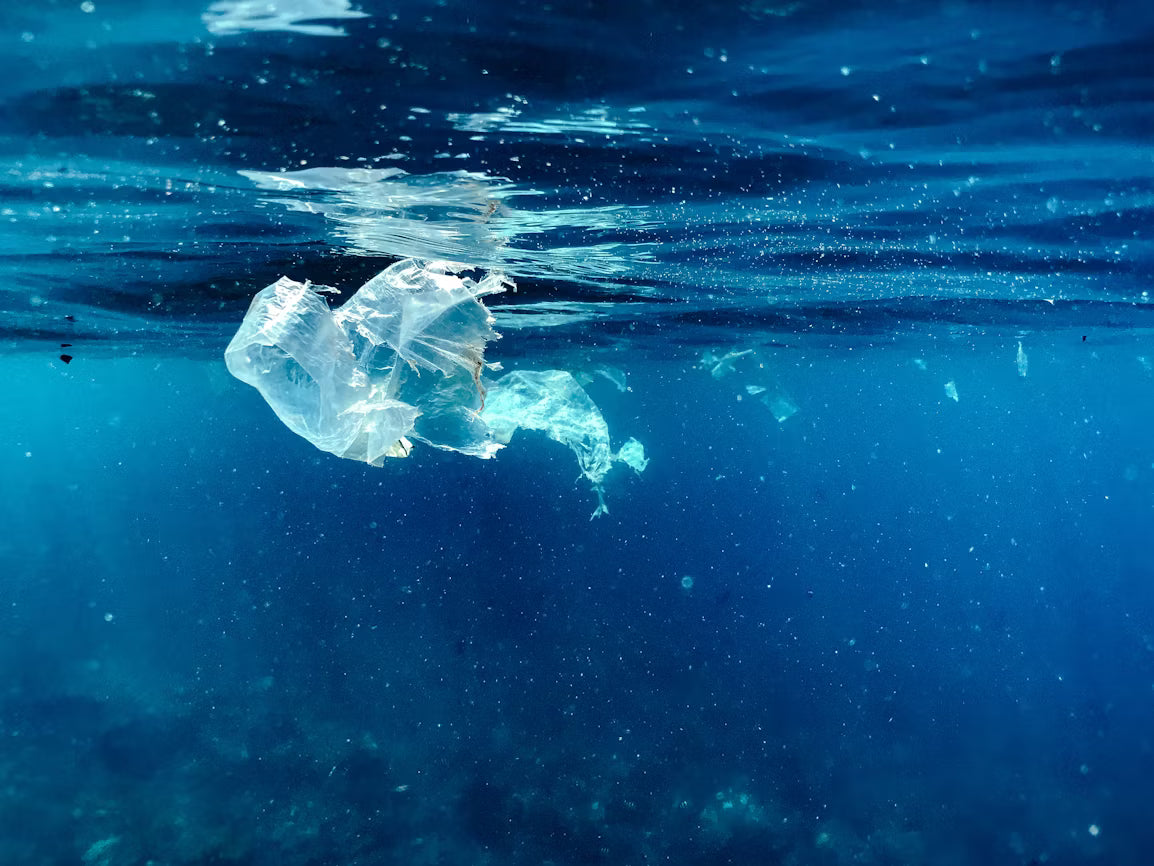
We are what we drink
In the Middle East, the primary source of drinking water is desalinated seawater, which makes up nearly 90% of the supply, with the remainder drawn from limited groundwater reserves. While desalination provides an essential solution to water scarcity, the purification process often involves the addition of disinfectants such as chlorine and other chemicals. As a result, trace amounts of harmful substances — including arsenic, lead, cadmium, fluoride — may find their way into the water that ultimately reaches consumers. The water may additionally contain bacterias and viruses.
Another concern arises from secondary contamination, which can occur through poorly maintained distribution systems, including old pipes and unclean storage tanks. This can further compromise water safety and quality. Beyond health risks, the taste of tap water in the region is generally considered less pleasant compared to natural sources such as spring or alpine water, often carrying a noticeable chlorinated flavor.
Read more
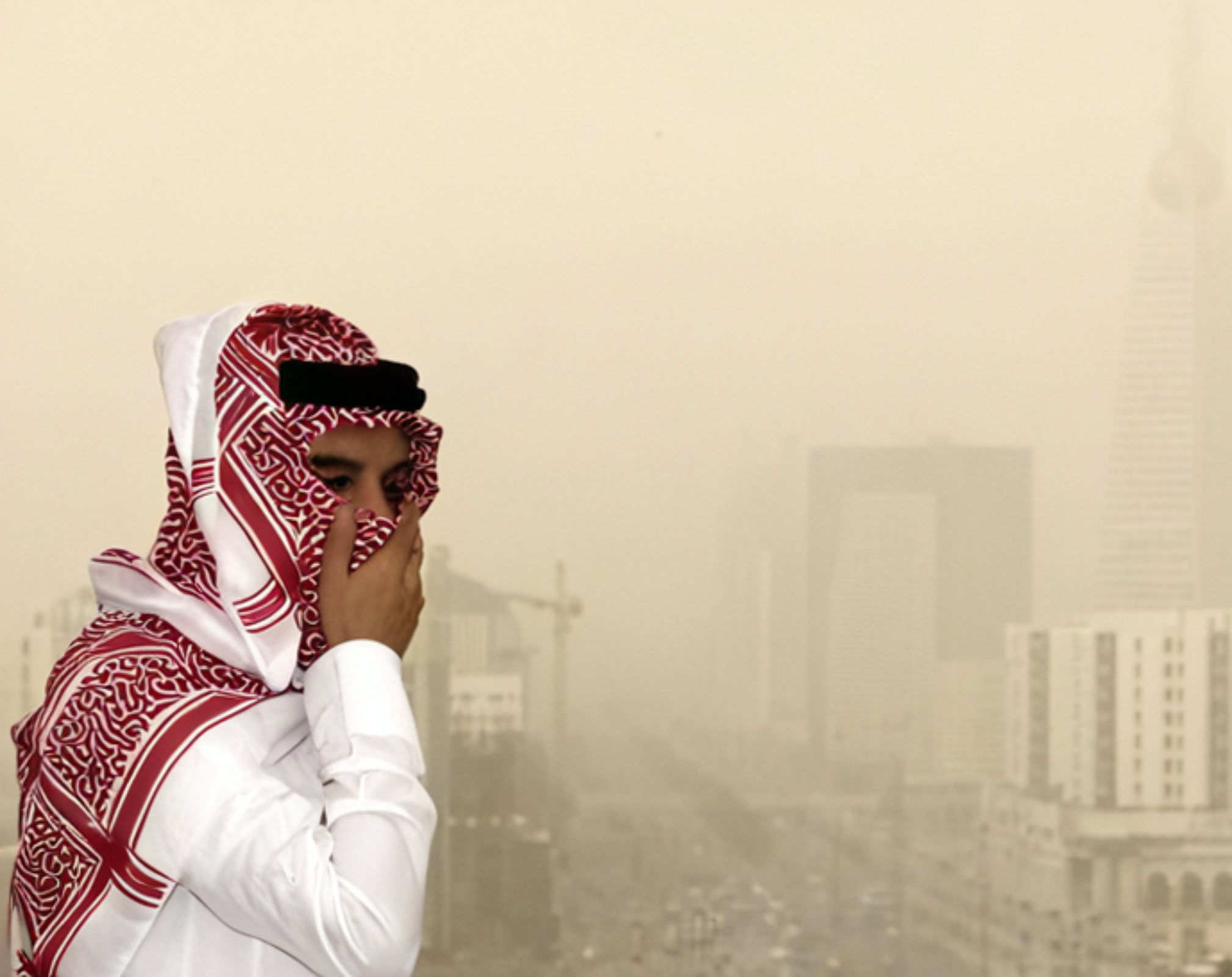
We take on average 20 000 breaths/day, inhaling over 11 000 l of air per day, or nearly 8 litres every minute. Imagine breathing this much polluted air.Long-term exposure to air pollution has damag...
Did you know that an estimated 80–90% of people in the GCC rely on bottled or filtered water for drinking?
Leave a comment
All comments are moderated before being published.
This site is protected by hCaptcha and the hCaptcha Privacy Policy and Terms of Service apply.